
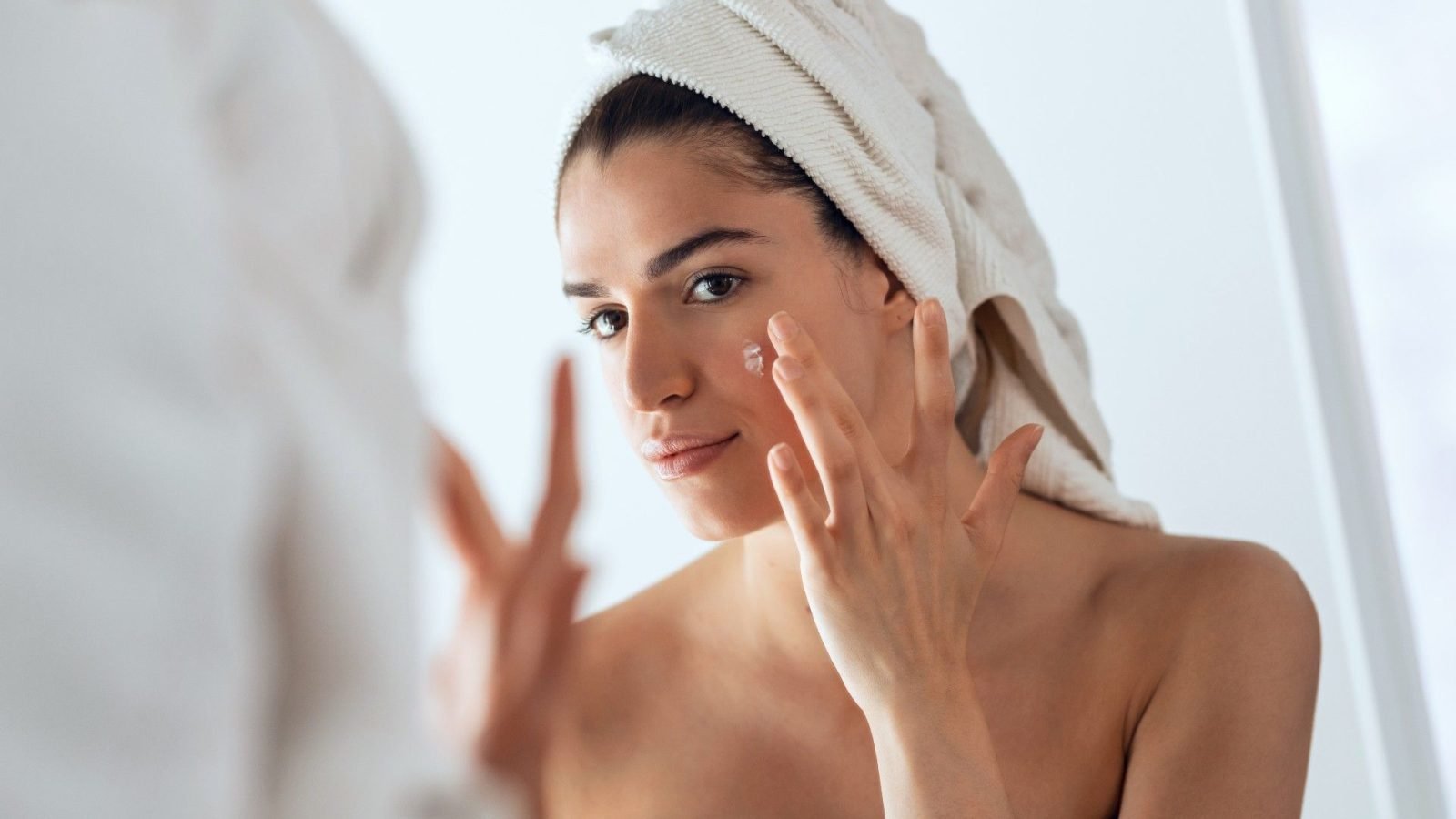

Acne is a common skin condition that affects people of all ages, from teenagers to adults. In Singapore, with its humid tropical climate, acne can often feel worse due to increased oil production and sweating. Fortunately, there are several treatments available in the city-state, ranging from over-the-counter solutions to advanced dermatological procedures. This guide will provide an overview of the most effective ways to overcome acne, ensuring clearer skin and renewed confidence.
Understanding the Causes of Acne
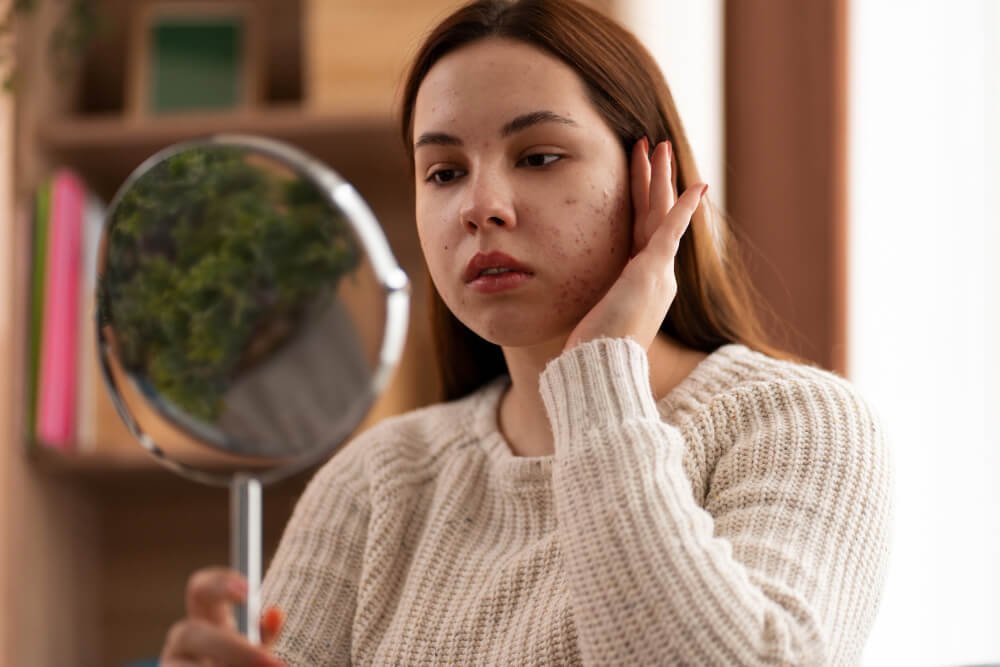
Before diving into the acne treatment options in Singapore, it is important to understand why acne occurs. Acne forms when hair follicles become clogged with oil (sebum) and dead skin cells, creating an environment where bacteria can thrive. Factors such as hormonal fluctuations, stress, diet, and even certain skincare products can exacerbate the condition.
In Singapore, the heat and humidity also contribute to clogged pores, leading to breakouts. With this in mind, finding the right approach to acne care is important.
Over-the-Counter Solutions
For mild acne, over-the-counter (OTC) products are often the first line of defence. In Singapore, pharmacies and drugstores stock a wide variety of topical treatments that can help reduce acne symptoms.
Benzoyl Peroxide:
This is one of the most common ingredients in acne creams and gels. It helps to reduce inflammation and kill acne-causing bacteria. Available in various concentrations, benzoyl peroxide is particularly effective for whiteheads and mild breakouts.
Salicylic Acid:
Known for its exfoliating properties, salicylic acid helps improve pores by dissolving dead skin cells. It is also found in cleansers and toners and is useful for treating blackheads and preventing future breakouts.
Tea Tree Oil:
A natural alternative to chemical treatments, tea tree oil has antibacterial properties that help reduce acne. It is often included in natural skincare products available at health stores across Singapore.
While OTC solutions are accessible, they may not be sufficient for moderate to severe acne cases. If there’s little to no improvement after a few weeks, professional treatments may be required.
Prescription Treatments from Dermatologists
For more persistent acne, consulting a dermatologist is important. Dermatologists in Singapore offer a range of prescription medications and professional treatments that can help control and eliminate acne effectively.
Topical Retinoids:
Retinoids are vitamin A derivatives that increase cell turnover and prevent the clogging of pores. They are highly effective for treating inflammatory acne and reducing post-acne marks. Prescription-strength retinoids like tretinoin are stronger than OTC versions and are available only through dermatologists.
Oral Antibiotics:
For acne that is caused or worsened by bacterial infections, dermatologists may prescribe oral antibiotics such as doxycycline or minocycline. These medications work by reducing the bacteria that contribute to acne and alleviating inflammation.
Oral Contraceptives:
For women whose acne is driven by hormonal imbalances, oral contraceptives can regulate hormone levels and reduce breakouts. It is a common treatment for adult female acne and is typically prescribed by both dermatologists and general practitioners.
Isotretinoin (Accutane):
This powerful oral medication is reserved for severe, cystic acne that doesn’t respond to other treatments. Isotretinoin works by reducing the amount of sebum produced by the skin, leading to long-term improvement. However, it has serious side effects and should only be used under strict medical supervision.
Advanced In-Clinic Treatments
Singapore is home to world-class dermatology clinics that offer cutting-edge procedures to treat acne and improve skin texture. These treatments are often used in combination with topical or oral medications for optimal results.
Chemical Peels:
Chemical peels involve applying a chemical solution to the skin to remove the top layers, promoting cell regeneration and reducing acne scars. Glycolic, salicylic, or lactic acids are commonly used in peels, which can be tailored to the severity of your acne and skin type. Peels help unclog pores, reduce inflammation, and smoothen skin texture.
Laser and Light Therapy:
Laser treatments, such as the fractional CO2 laser, and light therapies like Intense Pulsed Light (IPL) or blue light therapy, are increasingly popular for treating acne. These methods target acne-causing bacteria and promote collagen production, which helps repair skin damage. They can also reduce the appearance of acne scars.
Cortisone Injections:
For large, painful cystic acne, cortisone injections can provide immediate relief. The dermatologist injects a diluted corticosteroid directly into the cyst, reducing inflammation and accelerating healing. This treatment is especially useful for acne that might leave scars if left untreated.
Preventive and Maintenance Measures
While treatments can significantly reduce acne, it’s important to maintain a proper skincare routine to prevent future breakouts. In Singapore’s hot and humid climate, this becomes even more crucial.
Use Oil-Free and Non-Comedogenic Products:
Opt for skincare and makeup products labelled “non-comedogenic,” meaning they won’t clog your pores. Additionally, oil-free moisturizers and sunscreens help keep the skin hydrated without contributing to breakouts.
Gentle Cleansing:
Use a mild cleanser to wash your face twice a day, especially after sweating. Over-washing or using harsh cleansers can strip the skin of its natural oils, causing the skin to produce even more oil in response.
Avoid Touching Your Face:
Frequently touching your face can transfer bacteria and oils from your hands to your skin, which may aggravate acne. It is also crucial to resist the urge to pick or squeeze pimples, as this can increase the risk of scarring and prolong the healing process.
Diet and Lifestyle Adjustments:
Some studies suggest that diet may play a role in acne development, particularly dairy products and foods with a high glycemic index. Consider reducing your intake of these items and focusing on a balanced diet rich in fruits, vegetables, and whole grains.
Conclusion
Dealing with acne requires a comprehensive approach that balances lifestyle habits, skincare routines, and professional treatments. Whether you opt for over-the-counter products or seek help from a dermatologist in Singapore, there are numerous options to manage acne effectively. By understanding your skin’s needs and consulting with professionals, you can find the best treatment plan to achieve clear, healthy skin.
