

There’s a new item quietly climbing the luxury wish list, and it isn’t jewelry, a handbag, or even a kitchen reno. It’s the kind of upgrade that doesn’t shout for attention — no dramatic curb appeal, no flashy reveal — just the unmistakable sense that a home has been thought through, floor by floor.
Interior editors and design insiders keep circling back to the same idea: the most coveted upgrades right now blend real function with real polish. Built-in storage that disappears into the wall. Kitchens that hide restaurant-grade appliances behind cabinetry that looks like art. And — increasingly — a home elevator that rises through the floor like it was part of the original architecture.
The Home Elevator Had a Glow-Up (Seriously)
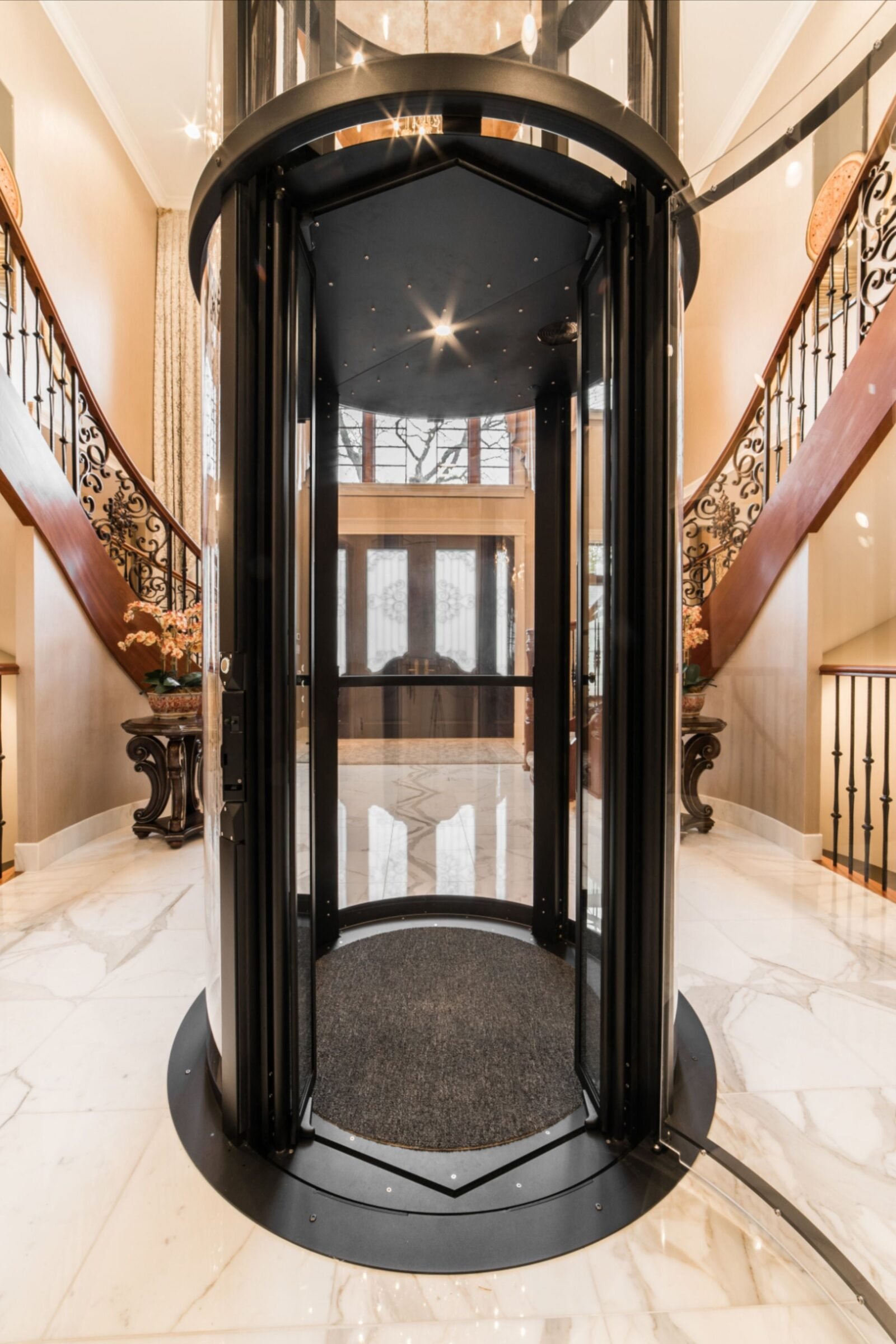
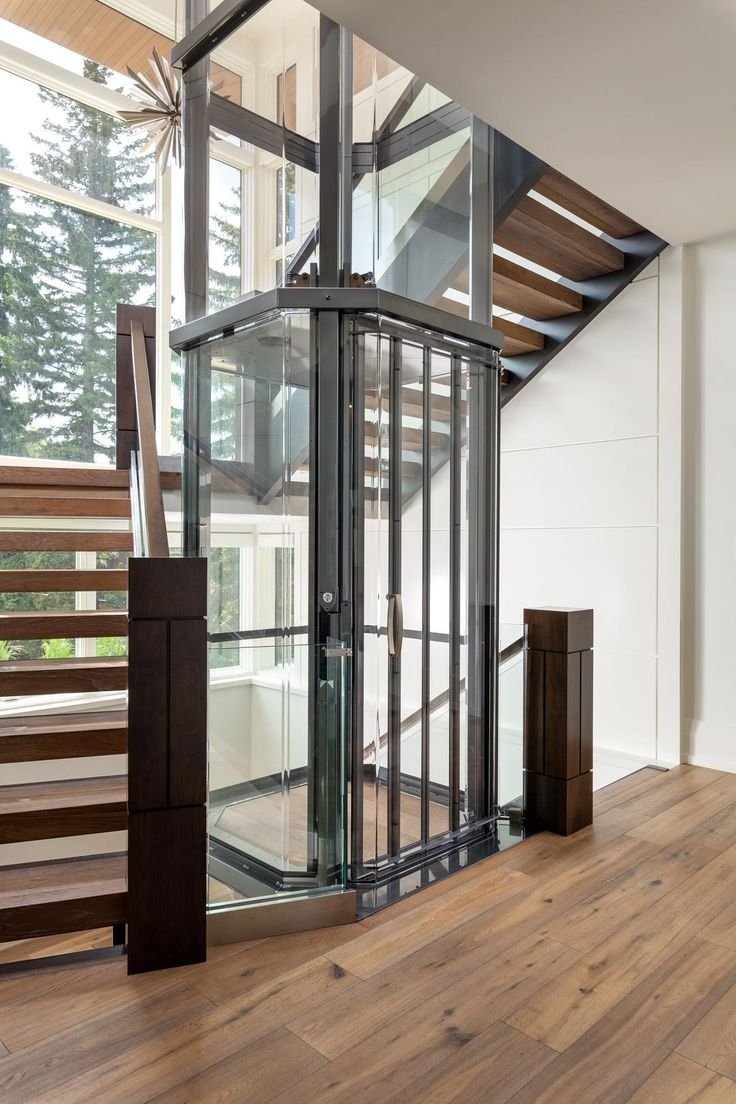
If your mental image of a home elevator is a clunky shaft-and-machine-room situation, it’s time for an update. The newest generation of through the ceiling residential elevators looks nothing like the institutional lifts of the past. These units are compact, self-supporting, and finished well enough to hold their own in a design-forward home — glass-panelled cabs, clean lines, no separate machine room. More sculpture than appliance.
The appeal starts with the obvious: gliding between floors instead of hauling groceries, gifts, or a sleeping toddler up a staircase. But the second reason is the one turning heads on design feeds — a well-chosen home elevator is becoming its own styling moment.
Why Designers Are Treating It Like a Statement Piece
Here’s the thing: Architectural Digest has started featuring residential lifts as centrepieces in high-end renovations, with designers curating the cab interior the same way they’d approach a walk-in wardrobe or a statement powder room — coordinated materials, considered finishes, a genuine visual anchor between levels.
Panoramic glazing turns the ride into a moving room with a view. Mirrored interiors lean boutique-hotel glamorous. Brushed metal suits a contemporary space; timber and upholstered panels warm up something more traditional. It’s the same logic as picking hardware for a kitchen island — small decisions that change how the whole home feels.
It’s Also a Smart Long-Term Move
There’s a practical case too — Forbes has pointed to “forever home” features as a growing priority for high-end buyers: upgrades that make a property work beautifully at every stage of life, from young families to ageing in place. A residential elevator checks that box while adding a genuine point of difference in a competitive listing.
The Install Is Less Disruptive Than You’d Think
No shaft, no pit, no major structural work — the newest self-supporting units travel through a modest opening in the floor and carry their own weight on a twin-rail system, leaving the rest of the home untouched. Most installs wrap up in a day or two. If a renovation is already underway, this is the moment to raise it with your designer or contractor; folding it into the plan from the start is far simpler than retrofitting one down the line.
The Upgrade That Speaks for Itself
Real luxury is the feeling that nothing in a home was left to chance — the finishes, the proportions, the way every space earns its place. A quiet, elegant through-the-ceiling elevator belongs in that conversation. It’s the upgrade guests notice the moment they walk in, and the one you’ll appreciate every single day after.